Nel post precedente abbiamo parlato soprattutto delle cose che fanno male. Anche sulle cose universalmente note per far bene è opportuno ragionare con attenzione. Purtroppo al mondo non c’è – o non mi è noto – qualcosa che faccia bene a tutti, sempre, in qualsiasi modalità di assunzione, quantità e frequenza: nessuna forma di allenamento, azione o attività; nessun cibo, bevanda, sostanza, aspirina, radiazione; nessun sentimento, emozione o forma di meditazione. Siamo creature complesse e mutevoli, mai uguali a noi stessi; abbiamo – in momenti e fasi diverse, ed a volte anche contemporaneamente – diverse necessità e piaceri, a volte contraddittori tra loro: quando abbiamo freddo ci piace il caldo, quando abbiamo caldo cerchiamo il freddo; quando abbiamo fame ci piace mangiare, quando siamo molto sazi la stessa idea del cibo ci dà fastidio; quando abbiamo carenza di liquidi ci serve acqua, ma se siamo iperidratati perfino l’acqua può danneggiarci. Ci sono pensieri molto belli ed utili da pensare, ma un pensiero che diventi ossessivo non ci aiuta più a crescere. Per fare un esempio più complesso, è tipico in campo medico il caso in cui una persona denuncia carenza di calcio osseo, ma assumendo più calcio (in supplementazione e per via alimentare) si ammala di calcoli di calcio ai reni senza che la carenza ossea sia stata minimamente compensata.
In the previous post we talked mostly of things that are bad for us, however even of things universally known to be good for us should we be wary. Unfortunately nothing exists, as far as I know, that is always good for everyone, in any mode of application, amount and frequency. No form of training, action or activity. No food, drink or substance. No aspirin or radiation. No emotion, feeling or form of meditation. We are complex and changing creatures, never even consistent within our own selves. Sometimes at different stages, and sometimes simultaneously we have different needs and pleasures, occasionally even contradictory to one another. When we are cold, we like the heat, and when hot we seek the cold. When we are hungry, we like to eat but when we are full the very idea of food bothers us. When we have a shortage of liquid we need water, but when over hydrated, water is harmful to us. These are very interesting thoughts, but a thought that becomes obsessive does not help us grow. To make a more complex example, it is typical in the medical field that a person with a calcium deficiency in their bones develops kidney stones if they increase their calcium intake through diet and supplements, without the deficiency in the bone being improved in any way.
Im vorhergehenden Post haben wir hauptsächlich darüber gesprochen, was schlecht für uns ist. Doch es ist ebenso angebracht, über die Dinge nachzudenken, die allgemein dafür bekannt sind, dass sie gut für uns sind.
Leider gibt es nichts auf dieser Welt – oder es ist mir jedenfalls nicht bekannt –, das für alle gut ist, immer, in jeglicher Art der Anwendung, der Menge und der Häufigkeit: kein Training, keine Handlung, keine Betätigung der Welt; keine Speise, kein Getränk, kein Aspirin und keine Strahlung; kein Gefühl, keine Emotion, keine Form der Meditation.
Wir sind vielschichtige und wandelbare Geschöpfe, uns selbst niemals gleich; wir haben – in verschiedenen Augenblicken und Phasen und manchmal auch gleichzeitig – unterschiedliche Bedürfnisse und Gefallen, die einander manchmal widersprüchlich gegenüber stehen: Wenn wir frieren, gefällt uns die Wärme, wenn uns heiß ist, suchen wir die Kälte; wenn wir Hunger haben, finden wir Gefallen daran, zu essen, wenn wir sehr satt sind, bereitet uns schon der Gedanke an Essen Unbehagen; wenn es uns an Flüssigkeit mangelt, brauchen wir Wasser, doch wenn wir hyperhydriert sind, kann uns Wasser sogar schaden. Es gibt Gedanken, die zu denken sehr schön und nützlich ist, doch ein Gedanke, der zum Zwang wird, hilft uns nicht mehr mehr dabei, zu wachsen.
Um ein etwas komplexeres Beispiel zu machen: Im medizinischen Bereich gibt es den typischer Fall, dass eine Person angibt, an Kalziummangel in den Knochen zu leiden, doch indem sie mehr Kalzium zu sich nimmt (durch Nahrungsergänzungsmittel oder auf dem Wege der Ernährung) erkrankt sie an Nierensteinen[1], ohne dass der Kalziummangel in den Knochen auch nur minimal kompensiert worden wäre.
Continue reading →
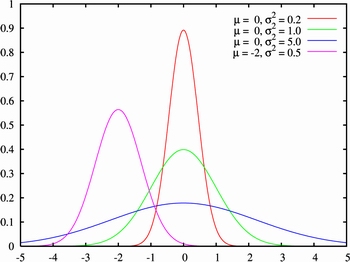
 Come intuiamo bene, tra gli animali a sangue freddo e noi mammiferi esistono differenze fisiologiche consistenti. Ad esempio, se la temperatura esterna è idonea, un serpente o un coccodrillo appena svegli sono già pimpanti ed efficienti, e perfettamente pronti a qualsiasi sforzo. Noi mammiferi, al contrario, difficilmente potremmo battere il nostro record personale sui 60 metri appena scesi dal letto… In altre parole, la fisiologia del rendimento in noi umani segue una legge gaussiana: partendo da una condizione di riposo assoluto non ci è possibile esprimere una prestazione elevata.